ALL ABOUT ANTIMONY

|
|
|

|
|

|
USEFUL LINKS FOR Sb |
Quick Facts:(Gr. anti plus monos - "a metal not found alone") antimony was first recognized in compounds and was recorded as a metal at the beginning of the 17th century and possibly prior to this date. Properties of antimony: |
Name of Element : antimony |
What is antimony?Antimony is a silvery-white brittle solid found in the earth's crust, estimates of the amount of antimony in the crust are between 0.2 and 0.5 ppm. Although antimony resembles a metal it has poor electircal and conductive properties and does not react chemically like a metal and is classified as semi-metallic. Antimony ores are mined and then mixed with other metals to form antimony alloys or combined with oxygen to form antimony oxide. Main uses of antimony |
||
 |
|
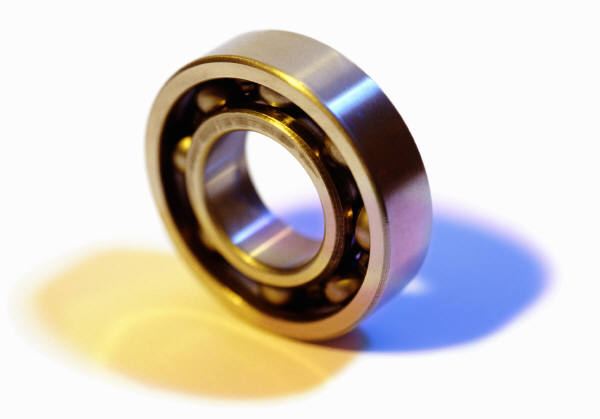 |
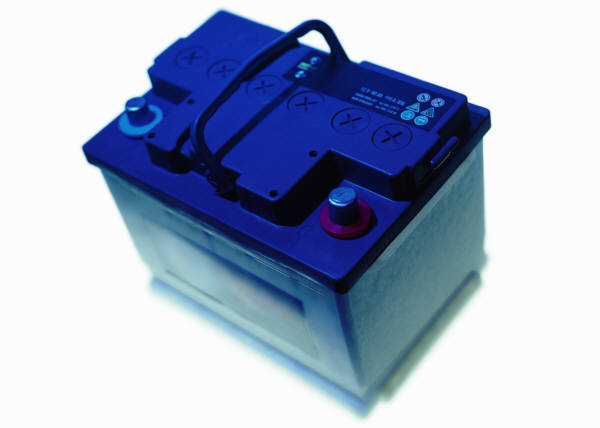
Antimony is used to increase the hardness of alloys, with lead alloys for batteries, with lead/copper/tin alloys for machine bearings. It is also used in automotive clutch and brake parts. The other major use is as antimony trioxide which is used for the production of flame retardant chemicals. Antimony is used in the semi-conducter industry for certain silicone wafer, diode and infra-red detector productions. Small amounts are used in production of safety matches. How does antimony occur in the environment?Although not abundant, antimony can be found in over 100 species of minerals. Most commonly as stibnite. Released to the atmosphere from natural sources and as a by-product of smelting lead and other metals, it generally drops to contaminate soils and waterways. How does antimony affect human health?Exposure to antimony occurs in the workplace or from skin contact with soil at hazardous waste sites. Breathing high levels of antimony for a long time can irritate the eyes and lungs, and can cause problems with the lungs, heart, and stomach, including vomiting, diarrheoa and stomach ulcers. Exposure to high levels antimony from occurence in the workplace or contact with contaminated soils can cause difficulties with the heart, liver, lungs and stomach. It can also cause irritation to the eyes. Left in direct contact with skin antimony can also cause irritation. |
||